Creating an attractive garden is a pursuit that combines art and science. When designing your outdoor space, you may find yourself focusing primarily on aesthetic appeal—vibrant flowers, elegant shrubs, and stately trees. However, incorporating edible plants into your ornamental garden design can elevate both the beauty of your landscape and its functionality. This approach not only enhances visual interest but also allows you to enjoy the fruits of your labor literally.
The Benefits of Edible Landscaping
Integrating edible plants into your garden provides several advantages. First, it encourages sustainable gardening practices by reducing reliance on store-bought produce. Homegrown fruits, vegetables, and herbs are often fresher and more flavorful than their supermarket counterparts. Additionally, growing your own food can lead to significant cost savings over time.
Beyond the practical aspects, edible plants contribute to biodiversity in your garden. Many fruiting plants attract pollinators such as bees and butterflies, which are essential for maintaining healthy ecosystems. Moreover, certain herbaceous plants have striking flowers best plants for seasonal planting that blend seamlessly with traditional ornamental varieties.
Finally, there’s an undeniable joy that comes from harvesting your own produce. The experience of tending to a garden and enjoying its bounty fosters a deeper connection with nature. Whether it's picking ripe tomatoes or snipping fresh basil for dinner, these moments enrich our lives.
Choosing the Right Edible Plants
When selecting edible plants for your ornamental garden design, consider factors such as climate compatibility, growth habits, and seasonal interest. Here are five categories of plants to think about:
Herbs: Basil, thyme, rosemary, and mint can serve both culinary purposes and aesthetic roles in the landscape. Plant them in decorative containers or along pathways to create fragrant borders.
Fruiting Shrubs: Blueberries and raspberries can add height and structure while offering delightful berries during summer months. Their blooms also attract pollinators.
Vegetable Varieties: Consider vertical gardening techniques with climbing vegetables like peas or pole beans. These can be trained up trellises for added height without sacrificing ground space.
Perennial Edibles: Rhubarb and asparagus not only provide delicious yields year after year but also have unique foliage that adds texture to the garden throughout different seasons.
Edible Flowers: Nasturtiums and calendula bring color to your beds while being entirely edible—perfect for garnishing dishes or adding flair to salads.
By diversifying plant selection in this way, you ensure continuous interest throughout the seasons while maximizing utility.
Designing Your Garden Layout
A well-thought-out layout is crucial for successfully integrating edible plants into an ornamental design. Start by assessing sunlight exposure in various parts of your yard—most edible crops require full sun (at least six hours per day). Use this knowledge to place sun-loving vegetables in areas where they will thrive.
Layering Techniques
Layering is an effective strategy when designing a mixed-use garden bed. Tall crops like tomatoes can be placed at the back or center of raised beds to prevent shading smaller plants such as lettuce or radishes at the front. This method creates visual depth while ensuring each plant receives adequate sunlight.
outdoor plantingIncorporate paths that allow easy access for harvesting without trampling delicate flowers or vegetables—a gravel path running between raised beds works exceptionally well here.
Color Coordination
While aesthetics are important, don’t neglect color coordination among your chosen plants. Pair vibrant-colored vegetables like red bell peppers with purple eggplants against lush green foliage for stunning visual contrasts throughout the growing season.
Consider planting flowering herbs alongside vegetable crops; their blossoms will attract beneficial insects while providing an alluring backdrop for culinary ingredients.
Seasonal Considerations
To maintain consistent harvests throughout the year while ensuring visual appeal across seasons, it's vital to plan planting schedules carefully:
- Spring Planting: Begin with cool-weather crops like kale or spinach that thrive early in the season. Summer Harvests: Transition to heat-loving varieties such as zucchini or cucumbers during warmer months. Autumn Additions: As temperatures drop again, consider planting garlic or shallots which will overwinter for spring harvest.
Utilizing succession planting techniques ensures there's always something colorful and productive in your garden beds as one crop fades out while another comes into its prime.
Maintenance Practices
Caring for an edible ornamental garden requires dedication but rewards efforts with bountiful harvests and breathtaking scenery all season long:
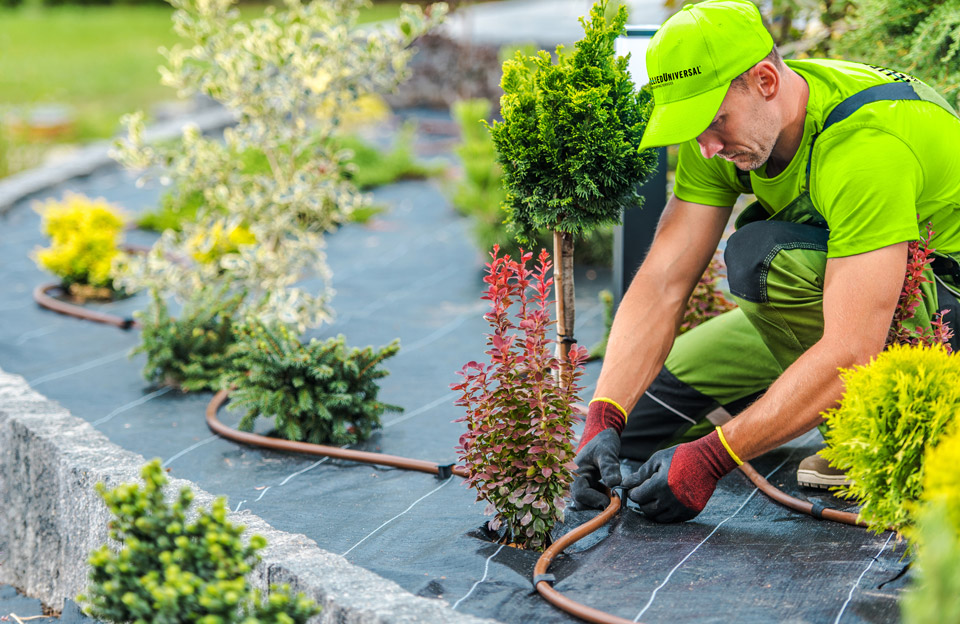
- Watering: Regular watering is critical during dry spells; consider drip irrigation systems designed specifically for gardens if water conservation is a priority. Soil Health: Utilize organic compost rich in nutrients; healthy soil contributes directly to vibrant plant growth. Pest Management: Adopt integrated pest management strategies by introducing beneficial insects like ladybugs to control aphid populations naturally rather than relying solely on chemical pesticides.
Regularly monitoring plant health enables gardeners to catch issues early before they escalate into larger problems affecting both aesthetics and yield potential.
Creative Uses of Edibles in Landscaping
There’s no limit when it comes to creatively using edibles within landscaping designs:
Vertical Gardens: Use wall-mounted planters filled with herbs or strawberries on patios where floor space might be limited but vertical surfaces abound. Containers & Raised Beds: Elevated planters offer accessibility while allowing control over soil quality—perfect if you're working with poor native soils. Fruit Trees as Focal Points: Dwarf fruit trees can serve dual purposes by acting as stunning focal points; varieties like ‘Fuji’ apple trees often bloom beautifully before yielding delicious fruit later in the season. Living Fences & Screens: Consider growing berry vines along fences; not only do they provide privacy but also yield nutritious snacks! Natural Mulch Alternatives: Some edibles like clover can cover bare soil areas while simultaneously fixing nitrogen back into it—a win-win scenario!These tactics not only enhance functionality but also enrich overall aesthetics significantly compared to traditional landscaping methods alone.
Overcoming Challenges
Integrating edibles into ornamental designs is not without its challenges:
- Limited Space: Urban environments often restrict available gardening areas; container gardening becomes essential here. Plant Compatibility Issues: Some types may compete aggressively for resources making proper planning vital when choosing neighbors within shared spaces.
Gardening requires patience; learning through trial-and-error fosters resilience amongst aspiring horticulturists navigating this rewarding endeavor toward self-sufficiency—even if mistakes happen along the way!
Conclusion
Designing an ornamental garden infused with edible elements presents numerous opportunities for creativity while promoting sustainability within our landscapes—a crucial aspect considering today's ecological concerns regarding food production methods globally! By carefully selecting appropriate species based on aesthetic preferences coupled with functional demands—and employing sound maintenance practices—we cultivate beautiful spaces enriched by nature's bounty right outside our doorsteps! The journey toward achieving such harmonious balance offers endless rewards beyond mere visual delight—it embodies nurturing life itself through purposeful engagement within our surroundings!